A growing share of our client work over the past few years hasn’t been “keep the lights on” infrastructure management; it’s been platform engineering and cloud-native transformation: helping organisations move away from monolithic, infrastructure-heavy estates and towards containerised, API-driven, DevOps-managed platforms that are genuinely built for Azure and the benefits within rather than merely running on it.
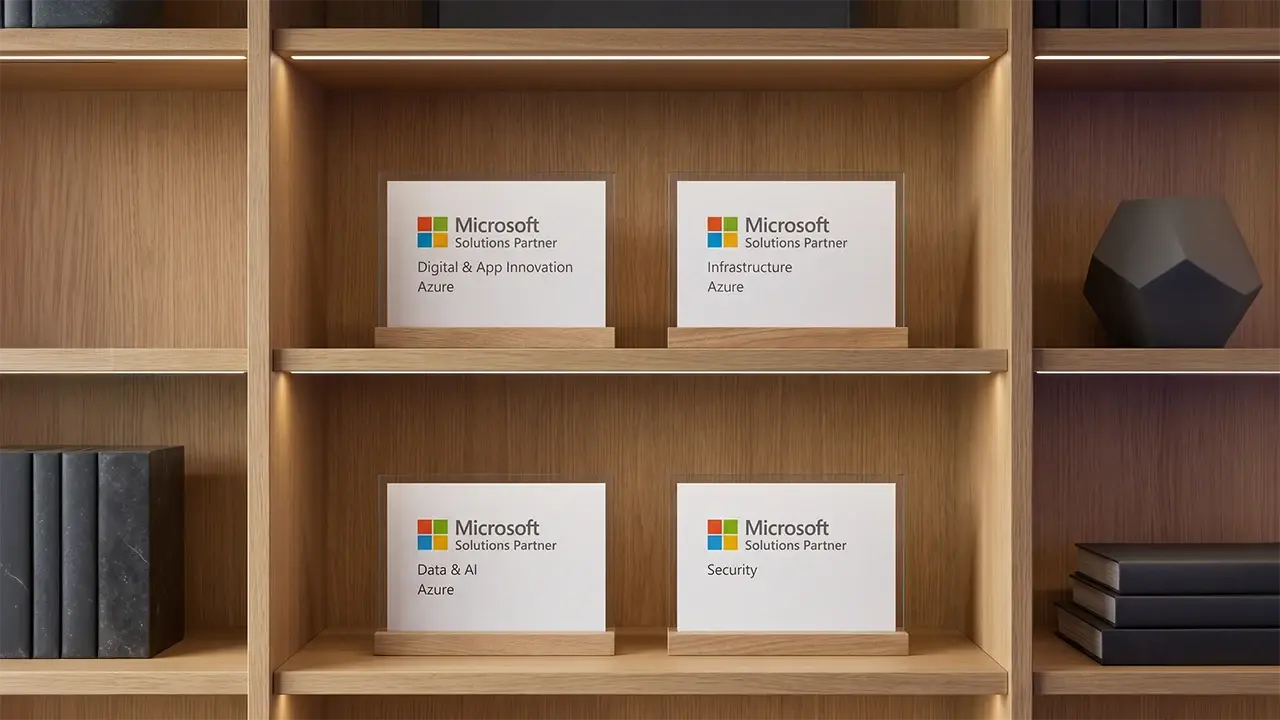
Plenty of organisations have “moved to the cloud” in the sense that their servers now sit in an Azure data centre instead of their own. Far fewer have actually re-architected around cloud-native principles, CI/CD pipelines, infrastructure-as-code, container orchestration, microservices boundaries that all match how the business actually operates. That re-architecture work is where the real return on an Azure investment shows up, and it’s where our Digital & App Innovation designation formally recognises the capability we’ve been building and applying for our clients.
“Earning the Digital & App Innovation designation is a reflection of the advanced platform engineering we deliver every day,” says Dean Murray, Senior Platform Engineer at Synextra. “We’re increasingly working alongside enterprise development teams, moving beyond foundational infrastructure to drive genuine cloud-native transformations. Whether it’s containerising legacy applications, automating infrastructure as code, or establishing mature DevOps cultures, we’re building the environments that large-scale organisations rely on to operate with agility.”
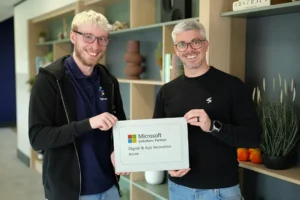
Holding all three Microsoft Azure designations gives Synextra something a number of Microsoft partners can’t claim: genuine breadth without sacrificing depth in any one area. In practical terms, that means:
A single specialised partner like Synextra can take you from infrastructure assessment through to a fully modernised, cloud-native application estate, without handing you off between teams or specialists who don’t talk to each other. Your data and AI ambitions aren’t bolted on as an afterthought, they’re designed alongside the infrastructure and application layers from the start. And whether your priority right now is cost and operational stability, a large-scale migration, or rebuilding how your applications are built and shipped, the underlying team and methodology are the same.
In practice, that means containerising and re-platforming applications onto Azure so they scale with demand rather than against it. It means working with your development team to give a clear path to production, pipelines, environments and guardrails they can self-serve, so shipping stops depending on who happens to be available.
The same principle applies to security, which is designed into every platform we build rather than layered on afterwards, something our Microsoft Security designation reflects.